a comprehensive, organized overview of the primary knit and weave construct
Here is a comprehensive, organized overview of the primary knit and weave construction types used in textiles.
Weave Constructions (Woven Fabrics)
Woven fabrics are created on a loom by interlacing two sets of yarns at right angles: the warp (lengthwise yarns) and the weft (crosswise yarns).
Basic Weaves
- Plain Weave: The simplest and most common over-under pattern (1x1). It is durable, versatile, and looks the same on both sides. Examples include canvas, muslin, and chiffon.
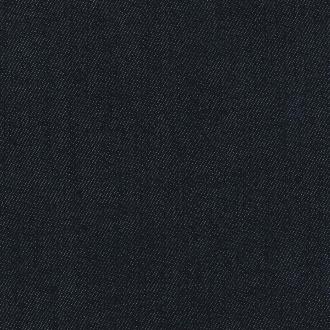
- Twill Weave: Yarns are interlaced to create a distinct diagonal rib or pattern. It is highly durable and wrinkle-resistant. Examples include denim, gabardine, and chino.
- Satin Weave: Long yarn "floats" cross over multiple yarns before interlacing. This creates a very smooth, lustrous surface with a dull back. Examples include satin and sateen.
Decorative & Complex Weaves
- Jacquard Weave: Produced on a special loom to control individual warp threads. This allows for intricate, figured patterns woven directly into the fabric. Examples include brocade and damask.
- Dobby Weave: Features small, geometric, repeating patterns created by a special attachment on the loom. Examples include piqué and oxford cloth.
- Pile Weave: Utilizes an extra set of warp or weft yarns to create loops on the surface, which can be left intact or sheared. Examples include velvet, corduroy, and terry cloth (toweling).
- Leno Weave: Warp yarns twist around each other around the weft yarn. This creates an open, sheer, gauze-like fabric that prevents yarn slippage.
Knit Constructions (Knitted Fabrics)
Knitted fabrics are constructed by interlooping rows of a single continuous yarn. They naturally offer more stretch and flexibility than woven fabrics.
Weft Knits (Horizontal Loop Direction)
- Jersey Knit (Single Knit): Smooth, flat loops on the face and textured loops (purls) on the back. It tends to curl at the edges and stretches easily horizontally.
- Rib Knit: Alternating columns of knit and purl stitches. This creates a highly elastic, reversible fabric often used for cuffs and collars.
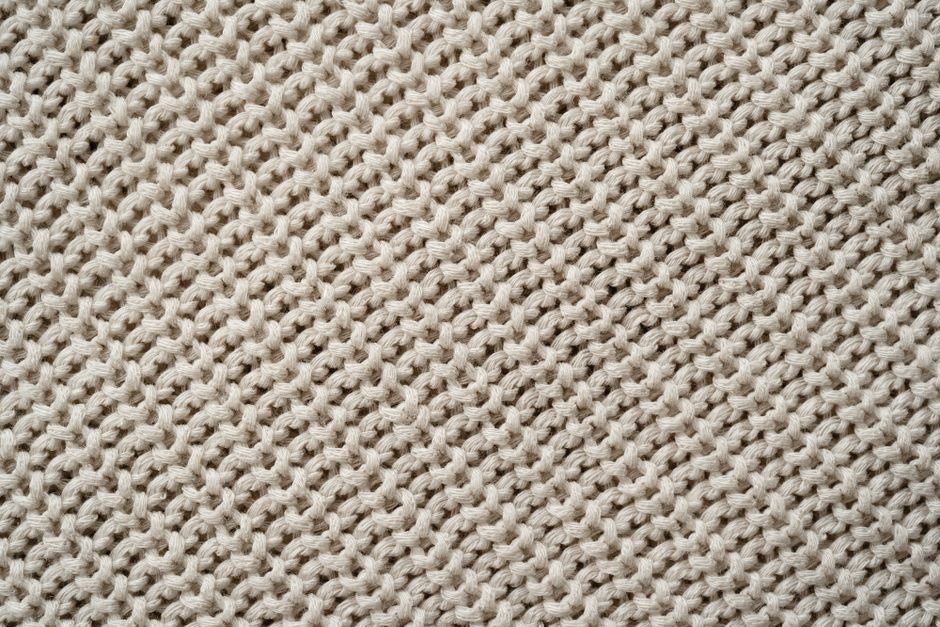
- Purl Knit: Alternating rows of knit and purl stitches. It looks identical on both sides and provides excellent vertical stretch.
- Interlock Knit (Double Knit): Two rib structures knitted together back-to-back. It results in a thicker, stable fabric that does not curl and looks smooth on both sides.
Warp Knits (Vertical Loop Direction)
- Tricot Knit: Fast run-resistant knit with fine, vertical wales on the front and zigzag ribs on the back. It is lightweight and commonly used for swimwear, lingerie, and sportswear.
- Raschel Knit: A complex warp knit that can create intricate, openwork patterns resembling lace, crochet, or heavy mesh. It offers very little stretch.
At-a-Glance Comparison
| Characteristic | Woven Fabrics | Knitted Fabrics |
|---|---|---|
| Yarn System | Two or more sets (Warp & Weft) | Usually one continuous yarn |
| Structure | Interlaced at 90-degree angles | Interlooped columns or rows |
| Stretch | Low (unless elastic fibers are added) | High inherent stretch |
| Edge Behavior | Frays easily when cut | Curls or runs (unravels) when cut |
If you are working on a specific textile project, let me know:
- What type of garment or item you are making
- The desired weight and stretch of the fabric
- If you need a fabric that is breathable, structured, or durable
I can help you select the exact fabric construction that will work best for your needs.
Tags: textiles fabric construction weaving types knitting types woven vs knit textile manufacturing apparel production fashion design fabric guide manufacturing processes